
In this guide
Short answer: Yes — with realistic, consistent home routines most Bichons and toy breeds can be kept comfortable and mat-free between professional appointments. A sensible plan combines daily brushing, targeted weekly care, good bathing and safe detangling; and knowing when to call a qualified groomer or your vet.
An introduction for busy owners
Bichons, Maltese, Toy Poodles and similar small, single-layer or long, curly coats are lovely but need regular attention. These coats tangle easily and will form painful mats if ignored. The aim of home care is not to copy salon results, but to keep your dog comfortable, spot problems early and make professional grooms quicker and less stressful. The advice below is practical for UK owners — including busy households in Barton Seagrave and Kettering — and assumes you will use a professional groomer for full shaping and scissoring.
Understand the coat: what you can expect
- Typical toy-breed coat types: soft single coats (Bichon, Maltese), curly dense coats (Toy Poodle), and silky long coats (some crosses). Each needs different handling but the goal is the same: prevent tangles at friction points.
- Problem areas: behind the ears, under the chin, armpits, groin, behind the legs, and the tail plume. These spots mat first because they rub and stay damp.
- Daily small steps are far more effective than infrequent long sessions. Short, calm handling builds tolerance and makes salon visits easier.
Daily and weekly routines that really work
Daily (5 minutes):
- Quick face and eye check — wipe away tear-stains and crust using a damp, soft cloth or a vet-approved eye wipe. Keep hair around the eyes trimmed by a groomer if it interferes with sight.
- Fast brush or finger-through — use a slicker brush or a wide-tooth comb to run through the coat, concentrating on ears, chest and rear. Short sessions keep dogs calm.
Weekly (20–30 minutes):
- Full brush-through: systematically work from the neck back to the tail using a pin brush or slicker for curly/long coats, finishing with a comb to check for hidden tangles. See our guide to choosing the right brush and comb for your dog's coat (/blog/choosing-the-right-brush-and-comb-for-your-dogs-coat).
- Paw and sanitary check: trim hair between pads only if you are confident and the dog is calm; otherwise book a groomer or nail-trim appointment. Clean between toes with a damp cloth and check for debris.
Practical tips for calm routine building:
- Keep sessions brief and finish while the dog is still relaxed. A calm dog learns faster.
- Offer treats and praise — make grooming a positive part of the day.
- If your dog is anxious, try short, 1–2 minute handling exercises several times daily to build tolerance; see our calmer grooming tips in the puppy-first-groom guidance (/blog/puppy-first-groom).
Bathing, drying and products: safe, effective choices
How often: Most toy breeds benefit from bathing every 4–8 weeks depending on activity, coat condition and skin sensitivity. Over-bathing can strip natural oils; under-bathing lets dirt and oils bind into tangles. For a full guide to signs your dog needs a wash, see Bathing frequency: signs your dog needs a wash (/blog/bathing-frequency-signs-your-dog-needs-a-wash).
Bathing steps:
- Brush thoroughly before bathing — water tightens mats and can make them impossible to remove safely.
- Use a gentle dog shampoo formulated for sensitive skin; avoid human products and fragranced formulas unless recommended by a groomer or vet.
- Rinse well and apply a conditioner or leave-in recommended for your coat type. Follow product instructions carefully and avoid applying near the eyes and ears.
- Dry thoroughly — use towels and, if your dog tolerates it, a low-heat dryer on a gentle setting. Never force or restrain a fearful dog; seek professional help if drying causes major stress.
See our guide to conditioning sprays and leave‑ins for safe choices and application techniques (/blog/conditioning-sprays-and-leave-ins-when-and-how-to-use-them).
Safe detangling and mat prevention
Detangling is a skill. Small tangles can be worked out gently at home; dense mats need a professional approach.
At-home detangling steps:
- Work on dry or lightly damp hair with a detangling spray suitable for dogs.
- Hold the base of the hair close to the skin to reduce pulling, and tease tangles out from the ends upward using a comb or a dematting tool made for dogs. Move slowly and stop if the dog shows pain.
- For stubborn mats, soften them with a leave-in conditioner and wait 10–15 minutes before attempting again.
When to stop and book a groomer:
- Any mat that sits close to skin, causes discomfort or reddened skin beneath it must be handled by a qualified groomer. Attempting to cut or force out close-to-skin mats yourself risks injury and should be avoided.
- For step-by-step gentle pre‑salon detangling techniques, consult our safe-detangling guide (/blog/safe-detangling-before-a-salon-visit-gentle-at-home-techniques-for-owners).
Tools every owner should own (and how to use them safely)
Essential at-home kit:
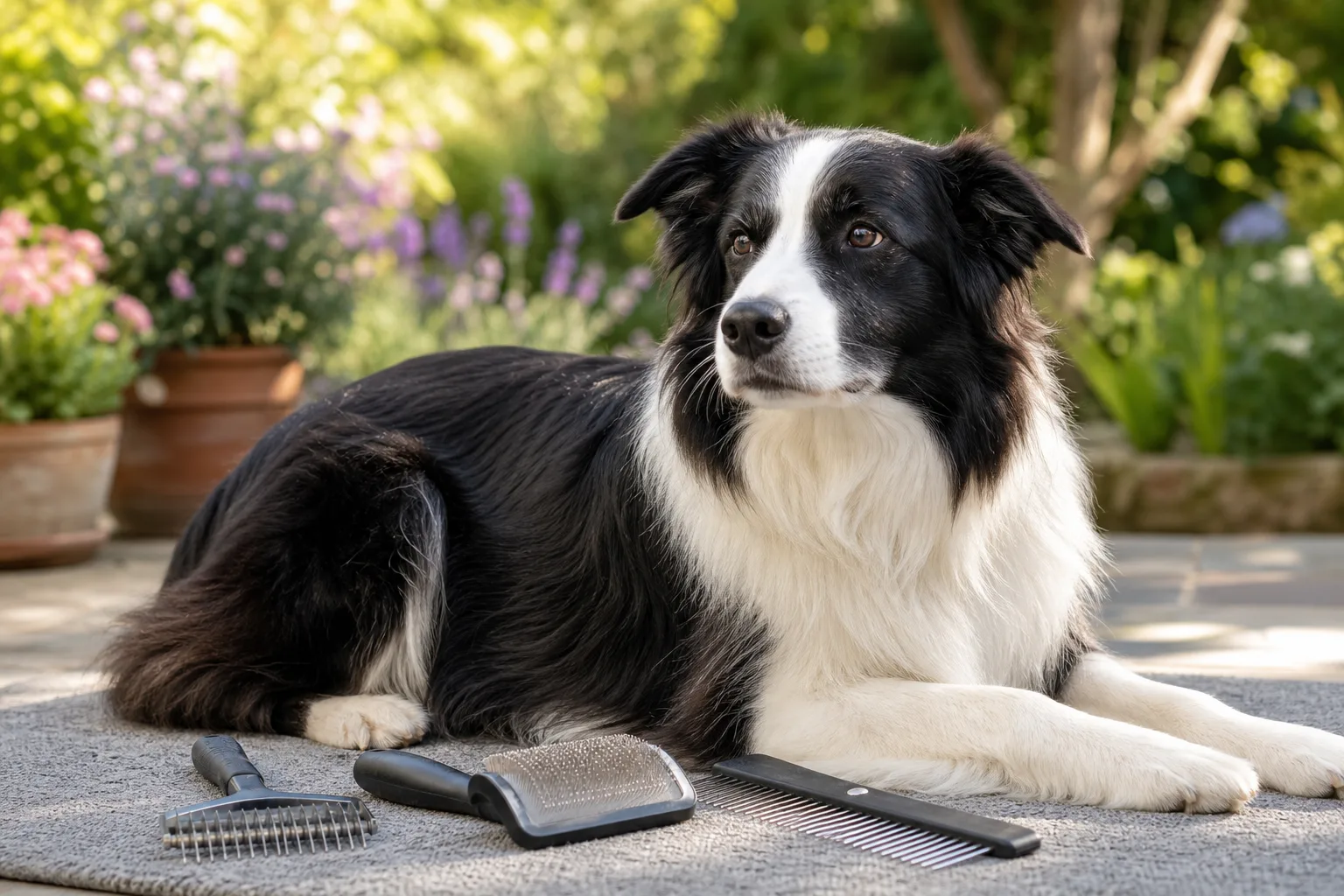
- Slicker brush (for removing surface tangles and maintaining curl structure)
- Wide-tooth comb (to follow up and check for hidden tangles)
- Dematting comb or tool (only if you know how to use it safely)
- Microfibre towel and low-heat dryer (or towel-only if your dog dislikes dryers)
- Soft, unscented grooming wipes for face and feet
Learn how each tool should be used and the limits of home care in our tools guide (/blog/coat-care-tools-every-owner-should-own-what-they-do-and-how-to-use-them-safely). Avoid using household scissors or clipper blades unless you are professionally trained; incorrect use can cause cuts, burns or uneven coat removal.
When to book a professional groom — and what to expect
Even the most diligent owner needs regular professional visits. For Bichons and toy breeds this is typically every 6–10 weeks depending on coat type and desired style. A professional will:
- Trim around eyes, pads and sanitary areas safely
- Remove close-to-skin mats without harming the skin
- Shape the coat to the owner’s preferred style
If you want a shaped finish, book a Full groom. Professional grooms make at-home care faster and reduce stress for nervous dogs. If your dog is particularly anxious, consider our grooming for nervous dogs options and speak to the salon about gradual desensitisation.
Health, diet and when to see your vet or a qualified groomer
Good coat condition needs more than brushing:
- Diet: a balanced, complete diet supports coat health — if you notice dullness, sudden hair loss, or excessive itchiness consult your vet before changing supplements.
- Skin signs requiring veterinary attention: red or broken skin, persistent flaking, sudden patchy hair loss, severe licking or odd odours. These are medical signs, not grooming issues.
- Groomer assessment: if matting is severe, the dog is painful during handling, or behaviour changes during grooming, book a qualified groomer to assess comfort and technique.
Conclusion
Maintaining Bichon and toy breeds at home is realistic when you focus on short, consistent routines, invest in a few safe tools and book regular professional grooms. Small daily steps prevent the majority of problems and keep salon visits shorter and calmer. If you’re ever unsure — about mats close to the skin, suspicious skin changes, or grooming stress — ask a qualified groomer or your vet to assess the dog rather than attempting risky DIY solutions.
Related grooming guides
- Your puppy’s first groom: how to prepare and what to expect
- Bathing frequency: signs your dog needs a wash
Frequently asked questions
How often should I brush my Bichon or toy Poodle at home?
Brush daily for a quick pass (face, ears, chest, rear) and do a fuller brush-through 2–3 times a week. Curly coats need more frequent attention to prevent small tangles becoming mats.
Can I remove mats myself at home?
Small, loose tangles can be eased with a detangling spray and gentle combing, but mats close to the skin, causing pain or reddened skin should be handled by a qualified groomer to avoid injury.
What shampoo and conditioner are safe for sensitive toy-breed skin?
Choose a gentle, dog-formulated shampoo for sensitive skin and a light conditioner or leave-in designed for your coat type. Avoid human products and fragranced formulas; ask a groomer or vet for product recommendations if your dog has known skin issues.
How often should I take my toy breed to a professional groomer?
Most owners book professional grooms every 6–10 weeks depending on coat type and the chosen style. More frequent visits may be needed for show clips or high-maintenance trims.
My dog hates grooming — what can I do to reduce stress?
Build short, positive handling sessions at home, use calm rewards, and ask your groomer about gradual desensitisation or a ‘nervous dog’ approach. If anxiety is extreme, your vet may recommend behaviour support alongside grooming adjustments.