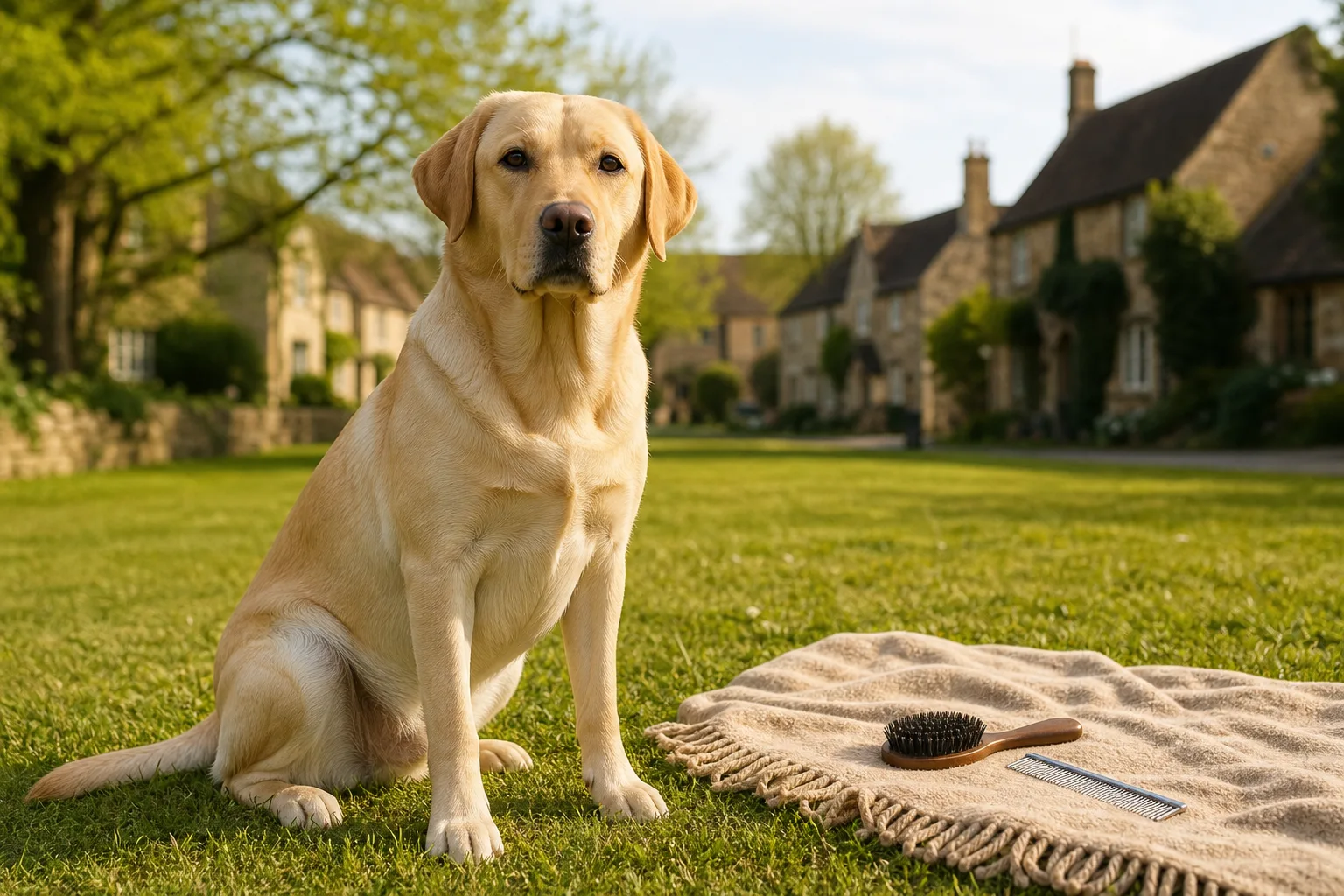
Short answer
Short-coated breeds such as Labradors, Boxers, and many terriers do best with regular, gentle brushing to remove loose hair, occasional baths when needed, routine nail and ear checks, and seasonal support during heavy moult. This keeps the coat comfortable, reduces loose hair around the home, and lets you spot skin changes early.
Introduction
Labradors and other short, dense coats are low‑maintenance compared with long or curly coats but still benefit from a steady, calm routine. In Barton Seagrave and across Kettering, owners find that small, consistent steps — the right tools, short sessions and knowing when to ask a professional — make grooming quick and pleasant for both dog and owner.
Why short coats still need grooming
Short coats are often double: a dense undercoat with a short topcoat. Even when hair lies flat, dead hairs build up and oils trap dirt. Regular grooming:
- Removes loose hair and prevents matting where skin folds or under harnesses.
- Distributes natural oils for a healthy sheen.
- Offers a chance to inspect skin, ears, paws and teeth regularly.
Understanding your dog’s coat
Look and feel:
- Topcoat: short, fairly close to the skin and often glossy.
- Undercoat: softer, insulating layer present in many Labradors.
Seasonal moult: many short‑coated breeds have heavier shedding in spring and autumn. This is normal. For tips on managing changes without shaving, see our article on seasonal coat changes.
Tools to own and how to use them
A few simple tools cover most needs. For help choosing the right ones for your pet, see our guide on choosing the right brush and comb. Recommended items:
- Rubber curry brush or grooming mitt — excellent for daily or frequent sessions on short coats; lifts loose hair and stimulates skin.
- Slicker or fine-toothed comb — for checking under the coat, around ears and under the tail.
- Slicker or de-shedding tool (used gently) — helps during moult, but avoid aggressive scraping.
- Sturdy nail clippers or grinder — trim carefully and only if confident.
Use tools in short, calm sessions. Always brush with the hair (not against) and support areas of thinner skin (under the belly, inside thighs). If you’re unsure which tool to buy or how to hold it, our coat‑care tools article explains what each tool does and safe handling.
Daily and weekly routines
Daily (2–5 minutes):
- Quick run of a rubber brush or grooming mitt while the dog relaxes — removes loose hair and is pleasant for most Labradors.
- Look for redness, lumps, scabs or unusual odour; note anything that wasn’t there before.
Weekly (10–20 minutes):
- A fuller brush with a de-shedding tool or slicker to get the undercoat during moult.
- Check ears for wax or smell (no deep probing) and paws for cuts or trapped grit.
- Wipe the face and folds with a soft cloth.
If you have a puppy, pair routine grooming with positive experiences — see our puppy-first-groom article for calm preparation and early handling tips.
Bathing: when and how
Short coats rarely need frequent baths. Bathe when the dog is dirty, has rolled in something unpleasant, or shows skin‑related advice from your vet. Over-bathing removes protective oils and can dry skin.
- Use a dog shampoo formulated for sensitive skin and rinse thoroughly.
- Towel dry first, then a short blast with a low‑heat dryer if the dog tolerates it.
For guidance on timing and non-medical signs that a wash is needed, consult our bathing frequency article. If your dog has persistent skin irritation or excessive greasiness, a vet should assess them before changing bathing frequency.
Conditioners and leave‑ins
Conditioning sprays designed for dogs can help with brushing and reduce static, but choose products made for canines and avoid human formulations. Our conditioning sprays guide explains safe choices and application. Stop use if you notice irritation and consult a groomer or vet.
Managing seasonal moult and heavy shedding
During moulting season:
- Increase brushing frequency to daily sessions using a rubber brush plus a gentle de‑shedding tool.
- Consider a short, thorough weekly session to remove the bulk of loose undercoat.
- Keep bedding and car interiors clean with covers and vacuuming.
Avoid shaving short-coated breeds. Shaving can disrupt natural insulation and sun protection and isn’t a reliable cooling method; see our article on seasonal changes for humane alternatives.
Nails, ears, teeth and paws
- Nails: check regularly and trim only when you know the quick’s position. If unsure, a groomer in Kettering can trim nails safely.
- Ears: look for wax or smell; clean the outer ear with an appropriate cloth or vet-recommended solution.
- Teeth: daily toothbrushing is best, but if that’s not possible aim for several times a week and arrange dental checks with your vet.
- Paws: wash and dry after muddy or salted walks in winter; check pads for cuts, foreign bodies or excessive wear.
When to see a professional groomer or a vet
See a qualified groomer when:
- You’re not confident trimming nails or dealing with sensitive areas.
- Your dog is anxious and needs a calm, one‑to‑one approach; our salon in Barton Seagrave offers gentle handling.
See a vet when:
- You find sores, persistent scratching, hair loss, lumps, inflamed ears or changes in appetite/behaviour. These could be signs of underlying skin or health issues and require veterinary assessment.
Frequency of professional grooming
Short‑coated dogs often don’t need regular professional clipping; a professional tidy-up, nail trim and ear check every 8–12 weeks suits many owners. For more detail about how often coats should be groomed, read our frequency guide which compares coat types and recommended intervals.
Handling common problems safely
- Matting near collars or harnesses: remove the collar for a time, use gentle brushing and, if tight mats remain, leave removal to a groomer. Never cut mats yourself with scissors unless trained.
- Greasy or flaky skin: avoid over-bathing and consult your vet if it’s persistent.
- Seasonal odour: clean bedding, increase brushing and consider a vet check if odour persists despite hygiene.
Keeping grooming calm and positive
Short sessions, treats and predictable routines help dogs cooperate. If your Labrador has nervousness around grooming, introduce handling of paws, ears and brushing in short, reward‑based steps — our puppy‑first‑groom article has useful ideas for building this from a young age.
Conclusion
Grooming a Labrador or other short‑coated dog is largely about consistency rather than complexity. With the right tools, short calm sessions, sensible bathing and a watchful eye for skin or behavioural changes, most owners keep their dogs comfortable and the coat healthy. If you’re ever unsure about a skin change, persistent problem or nail trimming, ask a qualified groomer or your vet for personalised advice.
Related grooming guides
Frequently asked questions
How often should I brush my Labrador?
Quick daily sessions with a rubber brush or mitt are ideal for removing loose hair. Add a 10–20 minute brushing once or twice a week during heavy moulting to remove the undercoat.
Can I shave my Labrador to reduce shedding?
No — shaving can harm the coat’s natural insulation and sun protection. Increase brushing and manage the environment instead; for humane strategies, see seasonal care guidance or ask a groomer.
How often should I bathe my short‑coated dog?
Bathe only when the dog is dirty or on veterinary advice. Over-bathing dries the skin; use a dog shampoo and rinse well. See our bathing frequency article for triggers and timing.
Which brush is best for a Labrador?
A rubber curry brush or grooming mitt for daily use and a gentle de‑shedding tool or slicker for weekly sessions work well. Our choosing-the-right-brush guide helps match tools to your dog’s coat.
When should I see a vet about a skin or coat issue?
If you notice persistent hair loss, sores, redness, discharge, bad odour, or changes in behaviour or appetite, book a vet appointment — these can indicate underlying medical issues.