In this guide
Short answer: consistent, short bursts of daily attention plus a once‑or‑twice weekly targeted routine stop most mats forming in spaniels with silky, long coats. Focus on high‑risk zones (ears, behind the legs, under the collar, tail and chest), use the right tools in sequence, and choose leave‑in conditioners or sprays to lubricate the hair — and book a groomer when mats are thick, near the skin, or the dog resists handling.
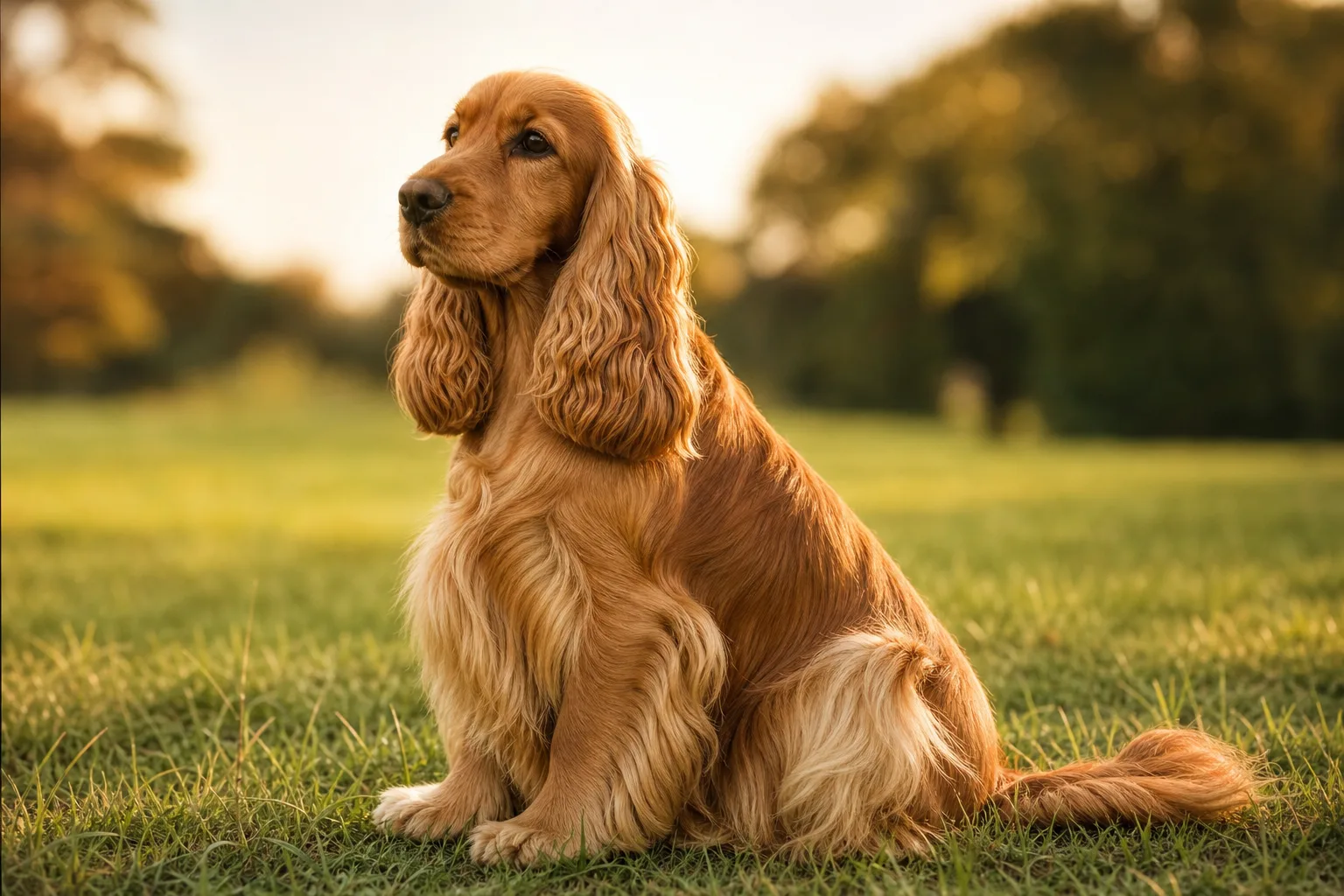
Silky coats look beautiful but they need gentle, regular upkeep to stay mat‑free. Spaniels — especially English and American Cockers — develop feathering that tangles where hair rubs, traps debris or stays damp. Below I give a practical, easy routine you can run in a few minutes each day and a longer weekly session to keep the coat comfortable between professional grooms. These tips work at home in Barton Seagrave, Kettering or on muddy walks around local parks.
Why mats form and where to look first
Mats happen when loose hairs tangle and bind with dirt, natural oils or moisture. Common hotspots on spaniels:
- Ears and ear fringes (constant movement and rubbing)
- Underarms and behind the forelegs (friction from walking)
- Flanks and behind the hind legs
- Tail and tail‑feathering
- Under the collar/chest where collars sit
Check these areas briefly after every walk, especially in wetter months or after brambley hedgerow routes.
Tools to keep handy
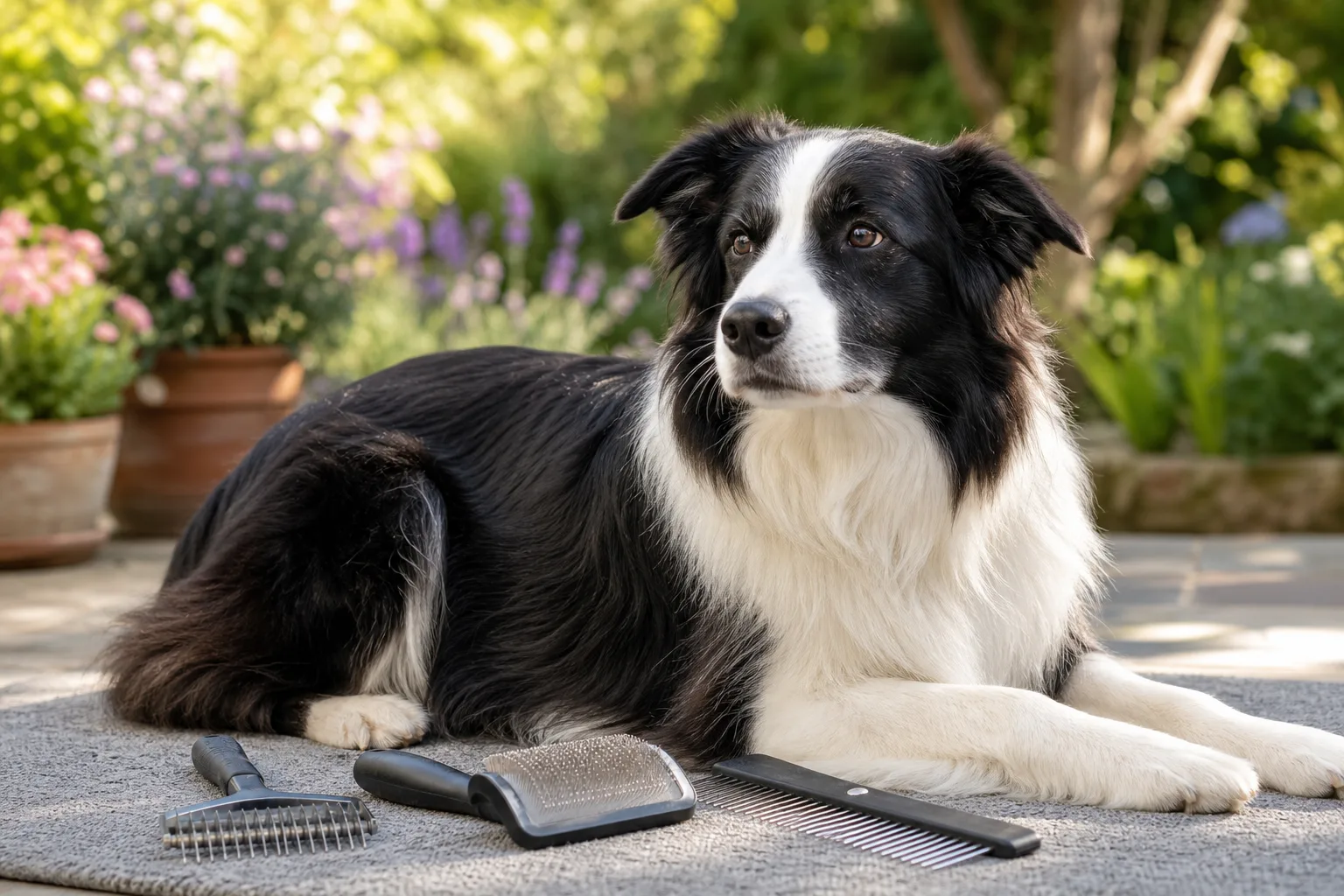
Use salon‑grade tools suited to silky, long coats — the right sequence matters. See our Choosing the Right Brush and Comb for Your Dog’s Coat for fuller tool guidance. A simple starter set:
- Wide‑toothed metal comb (long teeth) — for initial detangling.
- Slicker brush with fine wire pins in a flexible pad — to remove loose hair and surface tangles.
- Long‑tooth stainless steel comb — to check through coat to the skin.
- Conditioning spray or leave‑in detangler — light, water‑based formulations. Refer to our Conditioning sprays and leave‑ins guide for safe choices.
- Soft grooming mitt or rubber curry — for daily smoothing and removing grit.
Daily micro‑routine (3–7 minutes)
Do this every day or after outings. Short, calm sessions reduce stress and stop tangles growing into mats.
- Calm approach: have treats and keep sessions brief. Work near a familiar resting place or on your lap so your spaniel feels safe.
- Quick visual sweep: run hands along ears, underarms, tail and chest to feel for lumps or crusts.
- Remove surface debris: use a soft grooming mitt or slicker brush gently along feathering to lift grit.
- Spot comb: use the wide‑tooth comb through any loose areas, working from hair tips toward the skin. Hold the hair close to the skin with your free hand to avoid pulling.
- Finish with a light spritz of leave‑in conditioner to lubricate — concentrate on areas that felt rough.
Weekly focused session (15–30 minutes)
Once or twice a week, give the coat more attention; this is where you prevent small tangles becoming mats.
- Work in a warm, well‑lit room. Have treats and a towel to hand.
- Break the coat into sections — ears, chest, undercarriage, tail, flanks and legs. Comb one section at a time.
- Start with the slicker brush to remove loose hair and open the coat.
- Follow with the wide‑tooth comb, then the long‑tooth comb to check all the way to the skin. If you find a snag, use your fingers to tease the knot apart before combing further.
- For stubborn tangles, apply a small amount of leave‑in detangler and let it sit for a minute, then work from the ends toward the base in short, gentle strokes. If the knot doesn’t budge within a few minutes, stop and book a professional detangle — persistent mats often need specialist tools and experience to remove safely.
Safe detangling technique (do this, not that)
- Do: hold the coat firmly at the base to protect the skin while you work from tip to root.
- Do: use lubrication (water‑based leave‑ins) and small, careful motions.
- Do: reward your dog frequently to keep it calm.
- Don’t: yank or pull hard — that causes pain and makes dogs resist grooming.
- Don’t: attempt aggressive cutting, mat splitting or unsupervised clippers near the skin. These are tasks for a trained groomer.
Prevention on walks and after outdoor play
- After wet or muddy walks, towel‑dry and brush any damp feathering as soon as possible. Wet hair binds more readily.
- Keep a small grooming brush in the boot or porch for quick post‑walk checks in Kettering’s parks.
- If your spaniel picks up burrs or seeds, remove them promptly and check the base of the coat for trapped material.
Bathing and drying
Bathing can help with mats if the coat is very soiled, but it must be followed by patient drying and brushing. See our Bathing frequency guide for when a wash is appropriate. Key points:
- Use a detangling shampoo or a gentle shampoo followed by a conditioner suitable for long coats.
- After washing, towel‑blot and then carefully comb while the coat is damp using a leave‑in spray to ease the process.
- Never leave the coat damp in feathering — use low heat from a dryer only if your dog tolerates it and you can keep the dryer moving. Otherwise, allow to air dry in a warm place and comb regularly as it dries.
When to call a professional groomer or vet
- Book a professional groomer if mats are close to the skin or cover a wide area — trained groomers use specialised tools and sedation if necessary to prevent injury.
- See a vet if you find broken skin, hot spots, swelling, foul smell, persistent scratching or if your dog shows pain when the area is touched — these signs may indicate infection or parasites.
- If your spaniel has been difficult to handle since a mat has been present, a groomer trained in low‑stress handling or a vet may need to assess behaviour and welfare.
Training and positive association
Start grooming as a calm habit and build a positive routine — small rewards, short sessions and slow introduction to brushes and combs help greatly. If you have a puppy, our Your puppy’s first groom article explains sessions that build confidence from a young age.
Common mistakes and safer alternatives
- Mistake: leaving thick mats to “trim out” at the next groom. Safer: regular short maintenance prevents large mats and reduces the need for heavy clipping.
- Mistake: using household scissors to cut mats. Safer: never cut near the skin yourself — book a groomer.
- Mistake: choosing heavy oil‑based products that attract dirt. Safer: use light, water‑based leave‑ins designed for dogs. See our Conditioning sprays and leave‑ins guide.
A note on health and coat condition
Mats are sometimes linked to underlying skin issues, pain or mobility problems that reduce a dog’s ability to self‑groom. If you notice sudden coat changes, persistent grease, flakiness, hair loss or your spaniel stops grooming normally, consult your vet. For non‑diagnostic cues that a coat is healthy, our Recognising a Healthy Coat and Skin article explains what to look for and when to seek professional advice.
Wrap up — practical next steps
- Put a 3–7 minute daily check into your routine after walks.
- Do a weekly 15–30 minute focused brushing session using the right sequence of tools.
- Keep a light leave‑in detangler and the correct combs to hand; read Choosing the Right Brush and Comb for Your Dog’s Coat for help choosing tools.
- If a mat is close to the skin, painful or resists gentle detangling, book a professional groomer — it’s safer for your spaniel.
Keeping a shiny, mat‑free coat in a spaniel is mostly about short, kind routines and spotting trouble early. With calm handling, the right tools and sensible product use, your spaniel can stay comfortable and mat‑free between professional grooms — and when in doubt, a qualified groomer or vet will always be the safest next step.
Related grooming guides
Frequently asked questions
How often should I brush my spaniel to prevent mats?
A quick 3–7 minute check daily plus a focused 15–30 minute brushing once or twice a week prevents most mats. Increase frequency after wet or brambley walks.
Can I cut out small mats myself?
No — cutting near the skin risks injury. Try gentle detangling with a comb and leave‑in spray; if the knot won’t ease, book a professional groomer.
Which areas should I check first after a walk?
Check the ear fringes, underarms, behind the legs, tail feathering and under the collar — these are common mat hotspots.
Will bathing prevent mats?
Bathing helps if the coat is dirty, but you must dry and comb carefully afterwards. Use a conditioner or leave‑in detangler to ease combing.
When should I see a vet about my dog’s coat?
See a vet if you find broken skin, swelling, a bad smell, persistent scratching or if your dog shows pain when touched — these could be signs of infection or parasites.