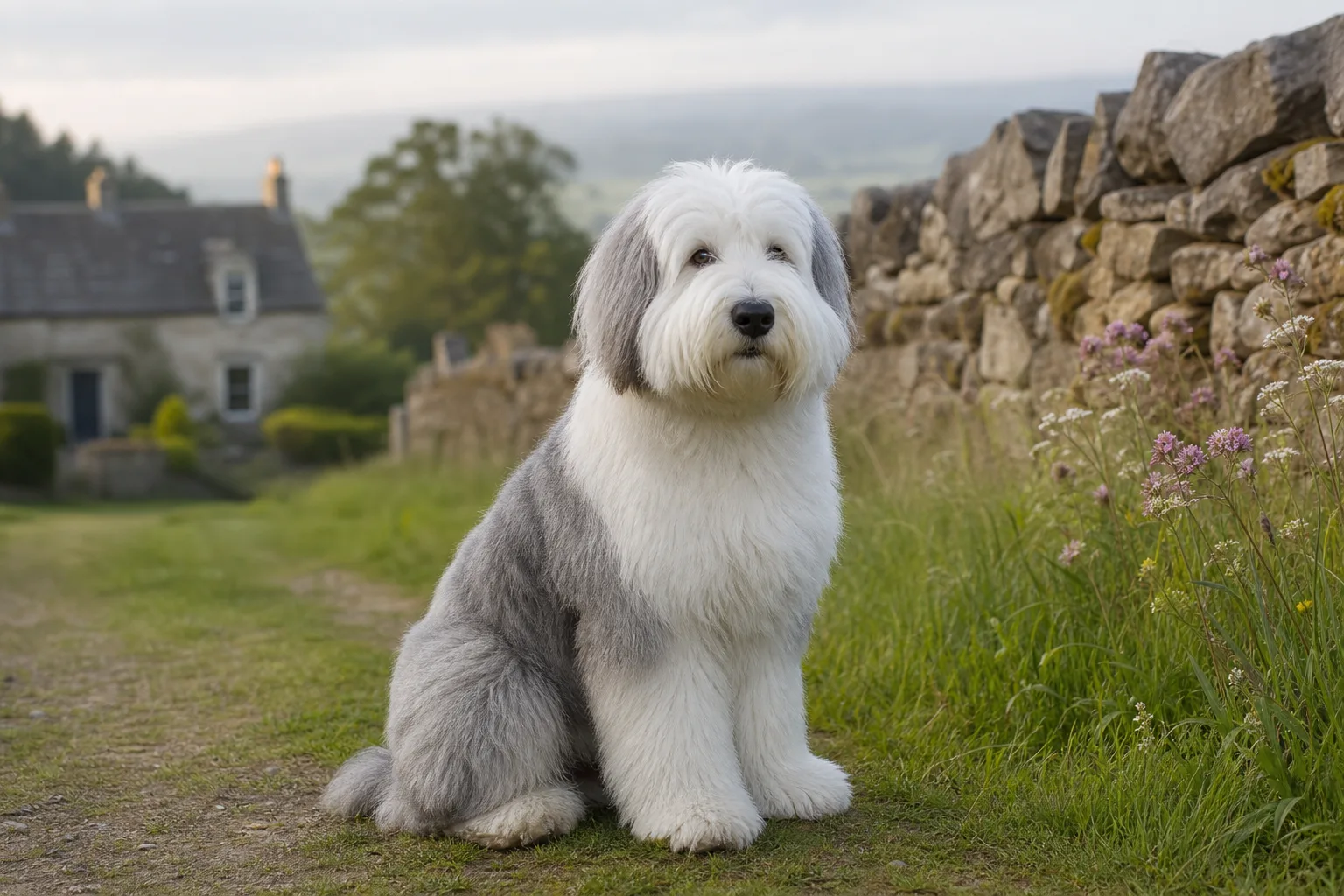
Short answer: regular gentle spot cleaning, correct tools, and careful use of dog‑safe whitening shampoos or wipes will keep grey and white coats bright between professional grooms — and you should ask a vet or qualified groomer if stains are persistent, sore, smelly or spreading.
Introduction
Light coats show every speck of dirt, tear mark and saliva stain, so small problems quickly look more obvious. This guide gives safe, easy, day‑to‑day and weekly techniques you can do at home in Barton Seagrave, Kettering, or elsewhere in the UK to keep greys and whites looking their best without risking skin irritation or damaging the coat.
Daily and weekly routines that make the biggest difference
Short, regular care prevents stains from setting and reduces the need for strong cleaners.
- Brush frequently. Remove loose hair and dust with the right tool for your dog’s coat — see Choosing the Right Brush and Comb for Your Dog’s Coat. Brushing also helps distribute natural oils that keep the coat looking clean.
- Wipe the face and paws after walks. Use a soft damp microfibre cloth or pet wipes designed for dogs to remove pollen, mud and food. Wiping while the area is still damp prevents staining.
- Check tear areas and mouth corners daily. Early spotting of tear or saliva stains makes them easier to manage.
- Spot‑clean as needed. Small marks respond well to targeted cleaning; full baths need not be frequent. For guidance on when to bathe, read our Bathing Frequency guide.
Safe spot‑cleaning step‑by‑step
If your dog returns with a fresh stain, act promptly but gently.
- Calm your dog and work in a quiet space. Use gentle praise — no force.
- Blot first (do not rub). Use a clean microfibre cloth to lift as much of the fresh deposit as possible.
- Mix a mild dog shampoo with warm water (about a 10:1 water to shampoo ratio) or use a purpose‑made pet stain remover. Never use human toiletries or household bleaches. Apply the diluted shampoo to the cloth, not directly onto the skin.
- Gently dab the stained area from the outside in, rinsing the cloth and repeating until the stain lifts.
- Rinse the spot with clean water on a fresh cloth to remove soap residue. Residue can attract dirt or irritate skin.
- Dry thoroughly with a towel and, if your dog tolerates it, a low‑heat dryer held at a distance. Ensure the area is completely dry to prevent yeast or bacteria growth.
Never use hydrogen peroxide, undiluted vinegar, household bleach, or strong peroxide‑based whitening agents on skin — these can damage fur and irritate the skin. For ingredients and items to avoid on sensitive coats, see Products to avoid on sensitive coats — ingredients and items that commonly cause irritation.
Managing tear staining safely
Tear stains (reddish‑brown streaks below the eyes) are common, particularly in white coats. They may be caused by normal tear flow, blocked tear ducts, eye shape, dental issues or skin yeast.
- Wipe the area twice daily with a dampened soft cloth or sterile saline (available from pharmacies). Pat dry afterwards.
- Use a very soft baby toothbrush or a small silicone brush to remove dried tear crusts gently.
- If stains return within days, are on only one side, are accompanied by redness, discharge, odour or your dog is rubbing their eyes, book a vet check. Persistent or changing stains need professional assessment.
Whitening shampoos, wipes and powders — how to use them safely
Whitening products designed for dogs can help, but misuse causes more harm than good.
- Use products specifically formulated for dogs and follow the label instruction. Human products and domestic bleach are unsafe.
- Do a patch test: apply a small amount behind an ear, wait 24 hours and check for irritation.
- Limit use: frequent applications can dry the skin. For most dogs, a whitening bath every 4–8 weeks is plenty — more often only on groomer advice.
- Rinse exceptionally thoroughly. Any residue left in the coat will attract dirt and may cause irritation.
If your dog has very sensitive skin, allergic history, or thin/fragile fur, speak to your groomer or vet before trying whitening shampoos.
Stain types and tailored responses
- Tear stains: gentle wiping, saline, vet if recurring. Avoid harsh scrubs near the eye.
- Saliva stains (chin, legs): enamel‑safe enzymatic cleaners made for pets will break down the proteins in saliva — follow product guidance and keep the area dry afterwards.
- Grass, pollen or mud: blot, then spot‑clean with diluted dog shampoo and rinse.
- Food colouring or strong tannins (berries, beetroot): prompt blotting, then a shallow shampoo rinse. Persistent discolouration may need a professional groom.
Tools and supplies worth keeping at home
- Soft microfibre cloths and cotton pads.
- Pet‑safe cleansing wipes and enzymatic stain removers (pet labelled).
- A selection of brushes/combs matched to your dog: see Choosing the Right Brush and Comb for Your Dog’s Coat and Coat‑care tools every owner should own — what they do and how to use them safely.
- Small soft toothbrush or silicone brush for gentle face cleaning.
- A gentle, dog‑specific whitening shampoo for periodic use.
When to stop home treatment and see a pro or vet
Contact a qualified groomer if:
- The stain covers a large area or does not respond to careful spot cleaning.
- The coat is heavily matted, or you’re unsure how to detangle without hurting the dog — see Safe detangling before a salon visit.
Contact a vet if:
- Stained areas are red, sore, odorous, scabby or your dog is scratching or rubbing them.
- Tear stains are sudden, one‑sided, or accompanied by eye discharge or squinting.
- Stains return rapidly despite good home care — there may be an underlying medical or dental cause.
We always recommend a vet for any concern that could be medical rather than cosmetic.
Extra small habits that keep whites bright
- Feed and water away from the face where possible — raised bowls can reduce drooling over the chest and legs in some dogs, but check suitability for breed and age.
- Rinse feet and bellies after damp walks; damp fur traps dirt and can stain faster in a humid UK climate.
- Use a light‑reflecting finishing spray sparingly (dog‑safe) to add temporary sheen before a local event, rather than frequent whitening soaks.
- Maintain coat condition through diet and grooming — see How Diet and Grooming Work Together to Support a Healthy Coat for non‑medical pointers about nutritional and grooming interactions.
Practical example — a short weekly routine for busy owners in Kettering
- Daily: quick face and paw wipe after walks; 5–10 minutes brushing in the evening.
- Twice weekly: inspect tear lines and mouth corners; treat small spots with diluted shampoo as needed.
- Every 4–8 weeks: a full wash with a dog whitening shampoo if required, or a professional groom for trimming and deeper cleaning.
This routine stops small marks becoming stubborn stains and reduces salon frequency while keeping your dog comfortable.
Conclusion
Brightening and stain management for grey and white coats is largely about prevention: regular gentle brushing, immediate spot cleaning, appropriate dog‑safe products and knowing when to involve professionals. If in doubt — persistent stains, sore skin or sudden changes — ask your vet or a qualified groomer to assess. For owners new to grooming, our guides on Choosing the Right Brush and Comb for Your Dog’s Coat and Coat‑care tools every owner should own are a good place to start before attempting whitening treatments at home.
Related grooming guides
Frequently asked questions
How often can I use a whitening shampoo on my dog?
For most dogs, use a dog‑specific whitening shampoo no more than every 4–8 weeks. Overuse can dry skin and damage the coat. Patch test first and rinse thoroughly; consult a groomer or vet for sensitive skin.
What’s the safest way to manage tear stains?
Gently wipe twice daily with a damp microfibre cloth or sterile saline, dry the area, and use a soft brush for dried crusts. See a vet if stains are sudden, one‑sided, red, smelly or causing your dog discomfort.
Can I use human stain removers or household bleach?
No — human products, household bleach and hydrogen peroxide can irritate skin, damage fur and harm eyes. Use only products labelled for dogs and follow instructions.
Which tools should I keep at home for spot cleaning?
Keep soft microfibre cloths, pet‑safe wipes, a soft toothbrush or silicone face brush, an enzymatic stain cleaner for saliva stains and a gentle dog shampoo diluted for spot washes.
When should I see a professional groomer instead of cleaning at home?
See a groomer if stains cover large areas, the coat is matted, the stain won’t lift with careful spot cleaning, or you’re unsure how to detangle safely. For pre‑groom detangling tips, consult our Safe detangling before a salon visit guide.